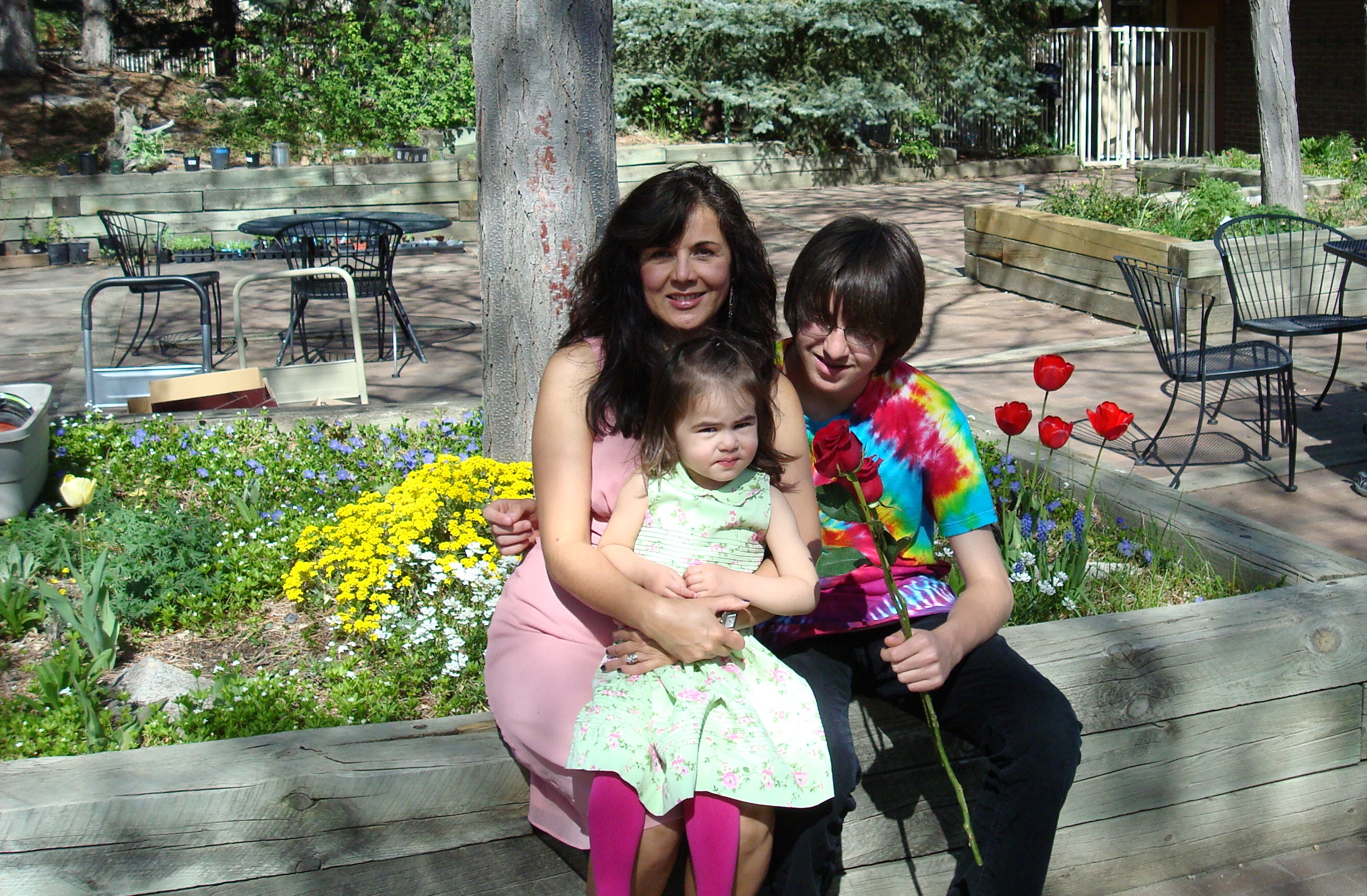
I’ve thought about this role in my life considerably, particularly as I became a mother myself for the second time around to my now 2 1/2 year-old daughter. I have not experienced actual “mothering” from a mother for the majority of my adult life. This prompted me to be more independent and find ways to mother myself, which I feel we all have to learn to do eventually.
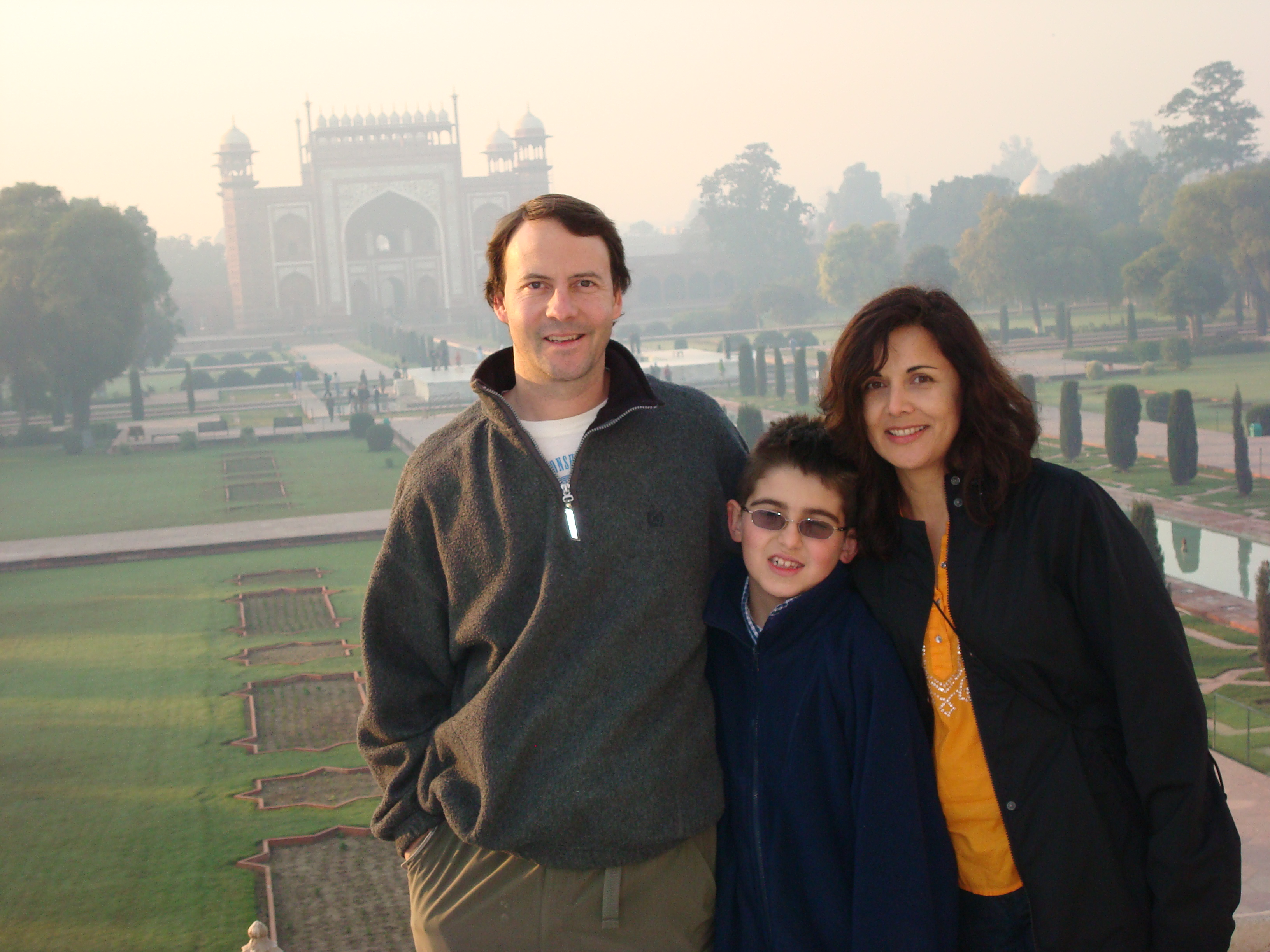
I have not actually seen my mother since 1994. She has lived in India and will be making a trip to my home on the 17th for three weeks. We have been talking on the phone since my father’s passing in December of 2008 (while I was 7 months pregnant). I sent pictures and she sent presents for all of us. I look forward to connecting at some level and hope the visit goes well. I am glad that my children will get to meet her and my husband will get proof that I actually do have relatives!
At the same time, I am aware of barriers – one as a result of my family moving to the US in 1976. As the youngest of 4 and only 7 at the time, I identified with the American culture increasingly as part of my identity. I was encouraged to speak English and that had the eventual result of my not having enough practice speaking my native language. To this day, my mother speaks in my native language and I respond in English. I am aware of the limitations in this process. I question some of the vocabulary I want to use and in essence what I am able to communicate. This alone prevents a depth of closeness as I feel handicapped in being fully myself and conveying all that I am and my life.
I am grateful for being able to provide complete mothering to my children and plan to try the rest of my life. I want to make certain no barriers are erected and that I am able to evolve my mothering according to their needs at different ages, even if I have to hold myself back (perhaps a lot at times, as I’m experiencing with my teen occasionally).
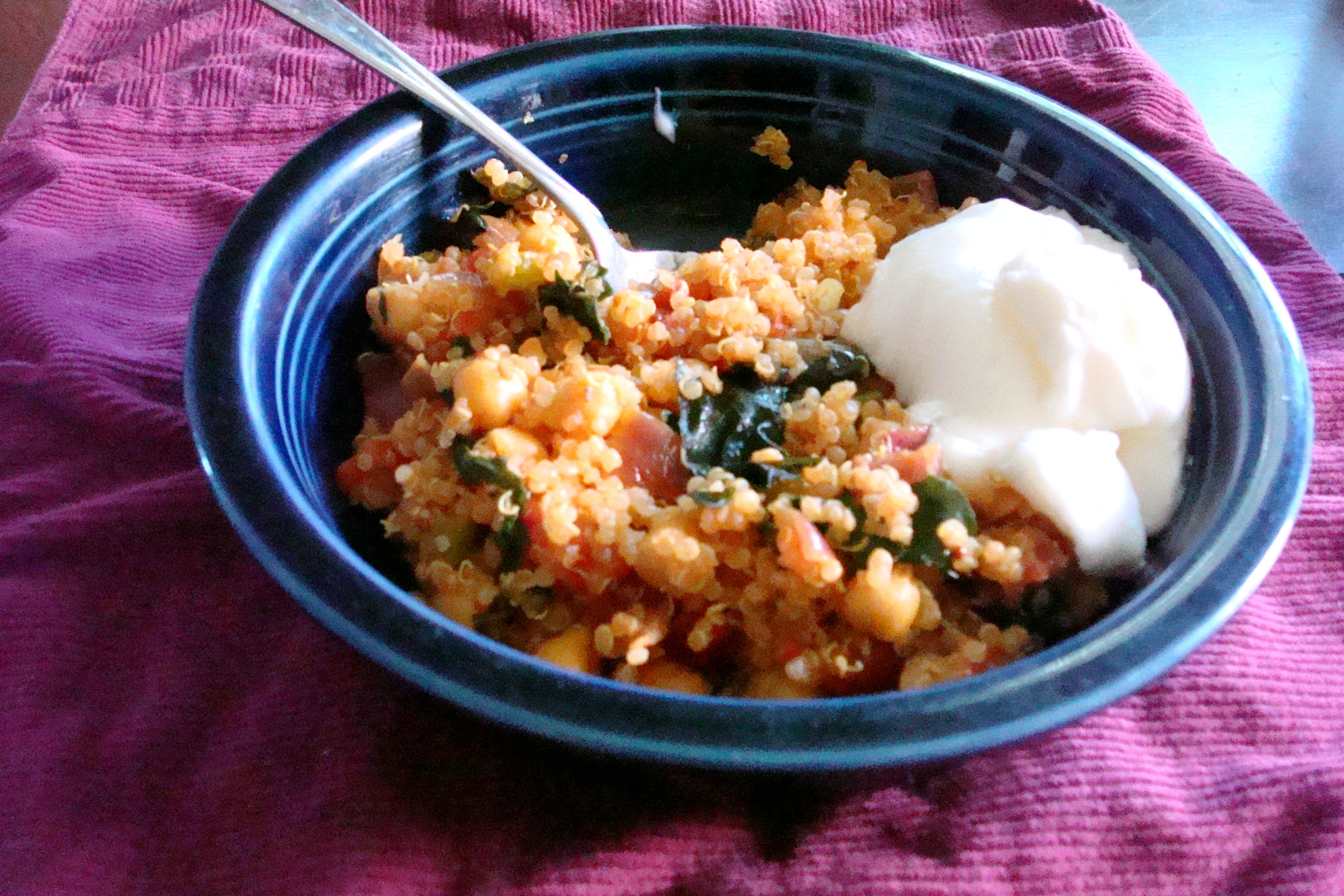
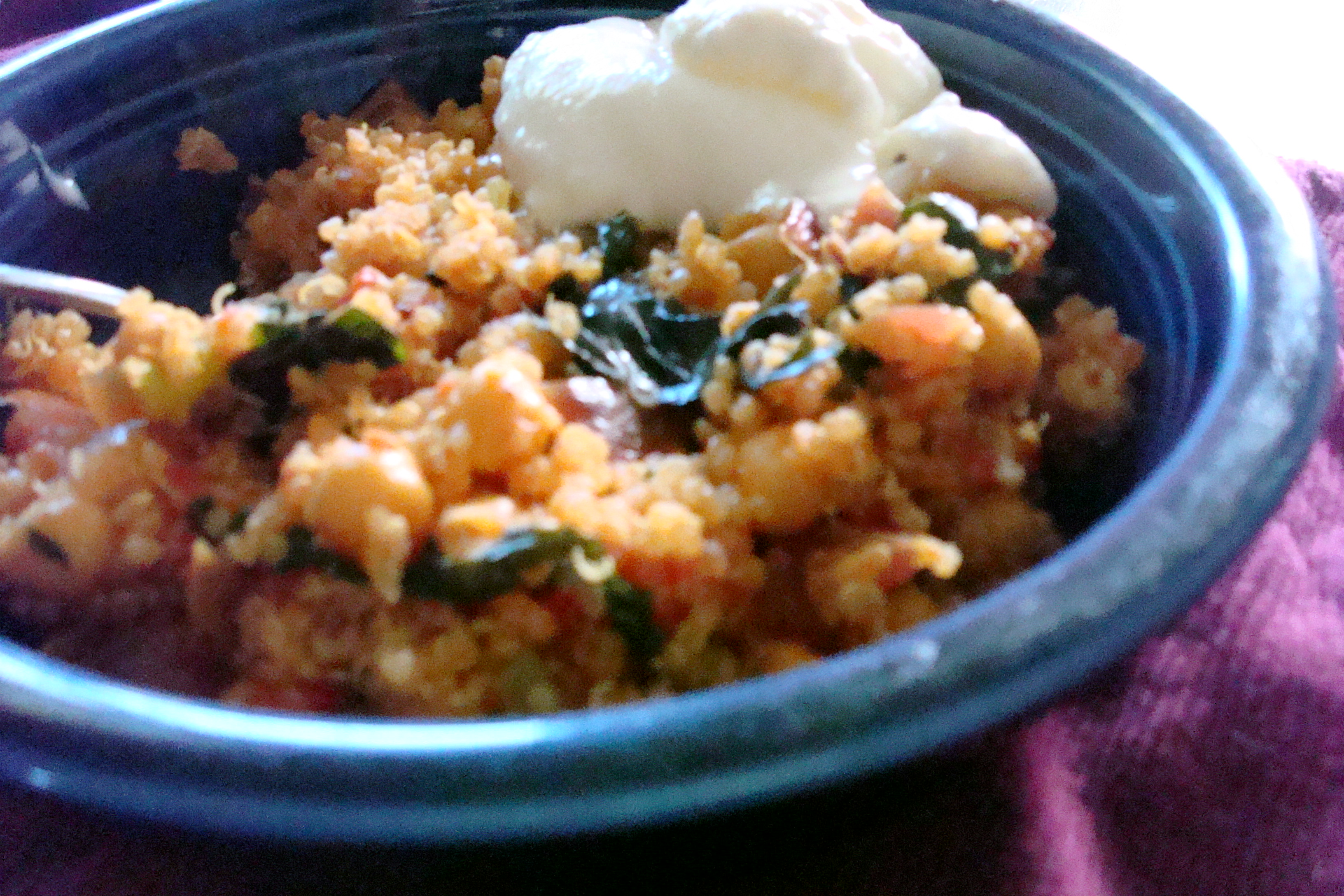
I sauteed some red onion and a little chili pepper in coconut oil with cumin seeds, asafoetida, turmeric, and chopped ginger. I added a can of diced tomatoes and chickpeas. I threw in some chopped spinach from the yard for more nutrition. I let this cook and added it to the cooked quinoa, which I had made in the rice cooker just like rice – 2 parts water to 1 part quinoa.
It satisfied my family, and most importantly, my picky toddler.
“Society exists only as a mental concept; in the real world there are only individuals.” – Oscar Wilde
One of the key differences I’ve observed and experienced as differences between the culture of my heritage and that which I’ve grown up in is the level of focus on individualism. Much in the Western and particularly American culture is based on the value and importance of the individual. Whereas in South Asia, the focus seemed to be on community, fitting in within a group or sometimes numerous groups, from the group we were born into along with ones based on specific religion, race and gender, for instance.
There were expectations of me based on being from the family I was from, along with an expectation of what a good Indian girl was supposed to be like, and one from the specific area I was from. There wasn’t much concern for me and my specific dreams and goals. The idea seemed foreign. In this regard, I’ve been proud to be “American” and to have been raised in an American culture.
I’ve embraced the concept of getting to know myself as a worthwhile endeavor in life. I’ve also embraced the American idea that I deserve to be as happy as I want to be as an individual. I like the American idea that I can have and do anything I set my heart on. I am not limited by any group I may be part of, including my gender or economic class. I love encouraging this concept with my children as well.
It is sad to think how much talent the world may have already been deprived of when individuals have suppressed their talents and interests for the sake of a group and its pressures.

The South Asian Festival of lights, “Diwali,” is celebrated at this time. It is one of the biggest celebrations in India and is seen as the beginning of the new calendar or financial year in some parts. Diwali is traditionally celebrated for five days with each day having a specific myth and belief.
Diwali is also a fun holiday for all ages. Houses are decorated with tiny lights inside and out. Children and adults enjoy presents, fireworks and great food, particularly delicious sweets.
An issue that South Asians growing up in the US grapple with is the coordination of holidays from their heritage and of their adopted country.
At this time, Thanksgiving is around the corner, just a week away, as is Diwali (I admit I don’t know the exact date). I know that Diwali is around Halloween, and formal celebrations normally take place sometime in November. I will look out for a Diwali event to take my family to. In the past, I have managed to make some sweets and some prayers with my family, who have sometimes looked at me with some awkwardness.
I am starting to determine what vegetarian Thanksgiving items I will make, and that my family will help me with. Once I have the recipes located, I will then go to the grocery store and hopefully get everything I need by this weekend, to avoid the last minute chaos at the stores.
I like to make pies from scratch, which my son enjoys helping with. When I was expecting my daughter two years ago, we used extra crust to decorate the pies with an “M” for “Maya” on them. It is gratifying to have her with us and be able to actually eat what we make this time.
This year, we are planning on a quiet celebration. We are not going on a trip and will celebrate at home just with our immediate family. My relaxing fantasy is that I am scrap-booking while my husband watches football, now with my son. Of course that leaves out my toddler, who will of course probably not allow such a relaxing occasion.
While trying to manage her, I hope I am able to find some peaceful moments, in-between the cooking, cleaning, and getting ready for the mother of all holidays here, Christmas. Not being able to call myself Christian, I still love the holiday and will probably shed some tears again while listening to Bing Crosby singing about a “White Christmas,” while very likely there are snowflakes falling here in Denver.
I’ve lately thought of Christmas as a beloved bully when going to stores in September and seeing Christmas items on one side, and Halloween on the other. I thought that poor Halloween didn’t even have a chance! Forget about Thanksgiving, which is sort of just the “intro” to Christmas.
Since I have a craft fair to prepare for in early December, Christmas will likely arrive earlier than normal in my home as well. I recall that last year, I ended up trying to get ready for Christmas after the show, which seemed like hardly any time to celebrate such a beautiful holiday.
As a South Asian, I don’t feel guilty for feeling emotional attachments to Western holidays. I know that this is a consequence of living here in the US. I’m certain that if I was living in India, I would feel the same for holidays there.
In general, it seems like a good idea to celebrate for any reason and to have any excuse to feel joyful, at peace and connect with our spirituality.
I wish everyone a very happy Diwali, Thanksgiving and any other occasion you choose to celebrate at this time.

PRAAG is Denver’s first South Asian rock band. The band was formed two years ago in Denver with music enthusiasts around the city with South Asian origin. Drummer Rashid states “we are the first ever South Asian Rock Band in Colorado and our songs encompass several South Asian languages in addition to English, such as Hindi, Urdu, Bangla as well as Thai and Laotian. Our aim is to bring the sentiments of Asian roots and blend them with the rhythm and melody of rock style of music.
We are currently working on our original music project which we will bring to the stage soon. An original album is also in the works. We also cover popular songs from artists and bands from India, Pakistan, Bangladesh, Thailand and Laos who have gained international fame. For now we want to take PRAAG out to the diverse ethnic population as well as the local Coloradans with live shows around Denver and surrounding cities.”
PRAAG’s current line up is as follows:
SANDEEP KULKARNI – Lead Vocals
TANVIR ISLAM – Lead/Rhythm Guitar
ANG SINGHARATH – Lead/Rhythm Guitar
MASHFIQUE IQBAL – Bass Guitar/Vocals
RASHID ALAM – Drums
The group recently presented a show April 25 at the Auraria Campus for free. The next event is on June 19th at South Middle School, 12310 East Parkway Drive, Aurora, CO 80011. It’s part of a cultural event that starts at 2 p.m. and PRAAG starts at 4:00 p.m. They will be performing as part of a larger cultural event organized by the West Bengal community of Denver called MILONI.
Check out this innovative and unique band! For more information, email the group at praagband@gmail.com. They can also be found on Facebook and MySpace as “PRAAG.” An official band website is also in the works.
Sources: Yelp, Rashid Alam

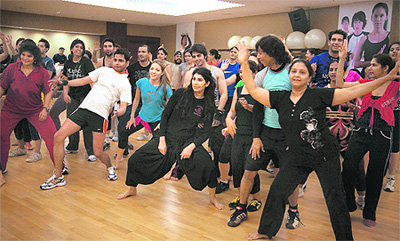
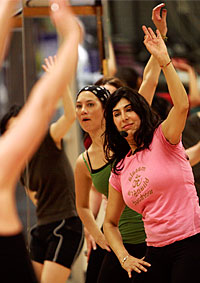
Recently, I worked out to “Masala Bhangra” on Fit TV. The Indian folk dance work-out routine was created by Sarina Jain, combining Bhangra and Bollywood moves. It is a good cardiovascular work-out, allowing one to lose weight easily while having fun. Sarina is considered to be the “Jane Fonda of India.”
It’s great to see an integration of traditional Indian dance with the Western culture. Indian dances are fun and I enjoyed doing plenty of folk dances for my community while growing up. It’s nice that there is a work-out like Masala Bhangra to still get a taste of that love, along with the familiar, up-beat music.
Source: Masala Bhangra Workout
I spent several hours last night reading my current novel, “Secret Daughter” by Shilpi Somaya Gowda, which I finished. It was compelling and easy to read, making the time fly by. I was intrigued and wanted to find out more. I kept wondering what was going to happen next. Some parts were difficult to read, particularly the specific references to incidents at the slum community called “Dharavi” in Mumbai.
It was also difficult to read the beginning reference to female infanticide and later blatant promotion in a village of gender selection ultrasounds. The references were made more difficult as a new mother to a daughter. I pushed through the challenging and moving descriptions to discover a story about family connections, love, overcoming obstacles, and hope.
Gowda’s debut novel is impressive in its descriptions, imagery, and character development. You begin to feel you personally know the characters, sympathize with them, and rejoice with them. The novel made difficult and endearing statements about South Asian culture.
Above all, “Secret Daughter” is about the love and connection between a mother and her daughter, making it a perfect novel to read in commemoration of Mother’s Day.
Of course, there are exceptions to caring for the Earth in modern-day India as resources are continually being sacrificed to support a growing population and demand as the country develops at an astounding rate. India is in the position to learn from the mistakes of developed countries regarding growing sustainably.
India can choose to integrate its green heritage to develop further in environmentally-conscious ways. Traditional sustainable practices can be balanced with current green technologies. Developed and undeveloped countries can learn from one another in this regard.
In appreciation of Earth Day, it would be great for Indians and other nationals to reflect on their heritage and its focus on nature and the planet. This heritage can remind us to live greener and to teach one another ways from our heritage we can do that more.
I recently wrote an article for ABCDlady Magazine entitled “Fitting In.” It touches on an aspect of immigration that does not get much attention. I’m certain there are many people that upon moving to another country, particularly the US, have seen dynamics in their family change. Some children may have experienced their formative years in their originating country (India in my case), whereas the younger siblings experience their formative years in the new country. This can contribute to a divide between the siblings down the road, particularly if not managed well by the parents.
I was encouraged to speak English at home, rather than my native Rajasthani dialect. As would be expected, I was eventually not able to effectively speak the dialect, although I can still understand it. Eventually, that contributed in creating a divide as I was the only one speaking in English. I’ve learned about languages that not all words and concepts can be easily translated. There are emotionally-evocative Hindi songs that would lose much in an attempt to translate the words and meaning. From this perspective, I want my children to know Hindi at least. Expecting it of my white spouse is probably a tall order.
It can be alienating and isolating for second-generation South Asians who manage to find some integration in their new country, but are not able to connect with their family of origin anymore. Their family can feel like a club they are not welcome in. As we age and are not able to have the ideal family dynamics we imagined, all is not lost. Rather than focusing on what we have missed out on and do not have, we can create the relationships we seek with others. There are people in the world that want to be paternal or like siblings. We can create our own families biologically and through the formation of our own community.
I intend to be the mother I wanted to have. I’ve thought specifically of the maternal characteristics I would have wanted to see and experience in my life and plan to give that to my children. I can be someone who is engaged, present, nurturing, and involved. I can be the type of sibling I would have liked to have with friends: supportive, caring, interesting, and funny. We don’t control others and their choices; we can only try to control ourselves.
Since having moved to the US when I was seven, I’ve gone through various phases of adjusting and adapting to a new culture and figuring out what parts of two cultures I wanted to integrate. Some of this has been conscious, some not. There were swings of loyalty. On a study abroad trip to Rishikesh, India in 1990 when I was 22, students could visually see these swings in the attire I wore. One day I would wear a sari and the next jeans. I started the days at the ashram early with a candlelight, reading the Bhagavadgita, which we were studying, and listening to bhajans, with the sound of the Ganges nearby. I had never felt more at peace.
Over the years, I’ve come to realize that there are many factors that play into how people respond to a different culture and to the extent that they adapt. South Asians from India have come to label people as “FOB” (fresh off the boat) or “ABCD” (American Born Confused Desi). I’m realizing that there are many grey areas between these labels where most people from India fit. There are people in India that could be labeled “ABCD,” even though they may never have lived or visited the US.
By the same token, I know Indians that were born in the US that could be labeled “FOB,” and may have just taken a few trips back to the “motherland.” This has much to do with the culture they find themselves in at the time and how this resonates for them at a personal, individual level. As the world becomes more global, there are increasing numbers of Indians in India that live in a very Western world within India, although it may be a stereotype of a Western world. Some of these changes can be seen in portrayals in Indian cinema, at least in terms of what appears to be “cool,” even if many may not live those lifestyles.
For instance, in “Pyaar Ke Side Effects,” dating appears to be common, along with premarital sex (being accepted) and women living on their own. The attire is almost entirely Western, and there is even open kissing! The theme is a typical Western theme, of a non-committal guy and a woman ready to get married after dating a long time, and who is also a “runaway bride.”
It seems counterproductive to try to label others or ourselves on some range of FOB to ABCD. With increasing globalization, it will become irrelevant. We are just people that resonate with different aspects of different cultures we are exposed to at different levels based on our different temperaments and personalities, some of which we are born with and some we develop from our experiences. 


Comments